When I sat down to plan this blog, I was inspired by my brother’s most recent article. His writing on the histories and worlds within the soil showed one example of the incredible ecological systems that don’t fit into the more aesthetically glamorous conservation topics. It reminded me of a feeling of falling into the trap of caring most for charismatic conservation efforts that I felt at the start of this journey.
Going off to university to study Geography, I felt most drawn to writing about exotic creatures and countries, those being case studies outside of my own country. The big hitters of conservation- charismatic megafauna such as the polar bears on melting ice or efforts to ‘save the rainforest’. I have experienced a definite disparity in awareness for conservation efforts depending on their ‘marketability’. This blog will look into the aesthetics of conservation and offer my personal reflection on how it has affected my interests.
Aesthetic Conservation
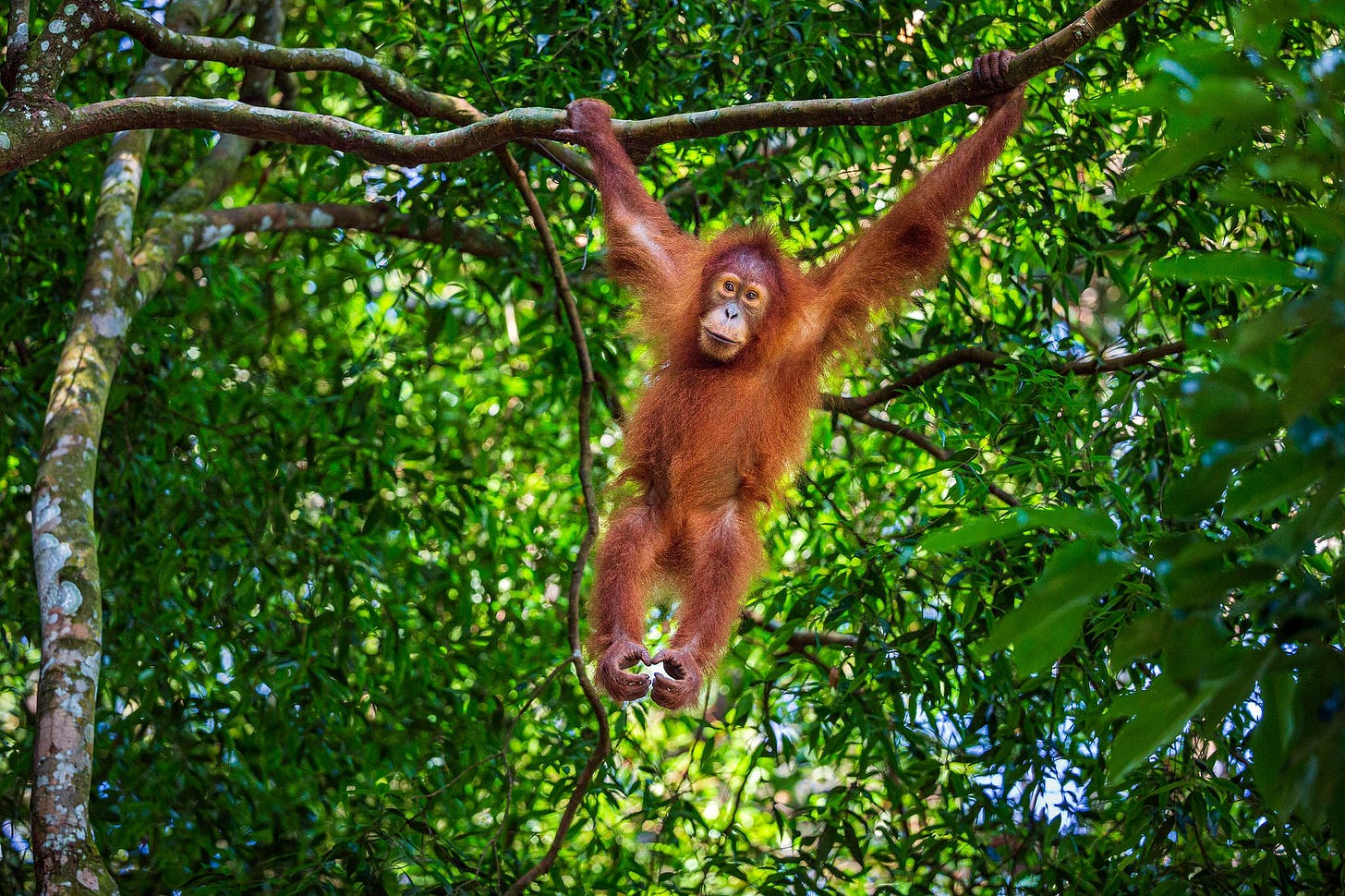
The aspects of conservation advertised to the public are no doubt influenced by the imagery and stories that capture people’s imaginations. The ones that come to mind for me are campaigns centred around imagery of orangutans in rainforests, lonely polar bears on melting ice, and WWF’s emblematic panda. These icons of conservation news telling attract attention from readers as figureheads of greater human environmental issues behind them. In a world that values things aesthetically with so much of conservation storytelling happening online, these characters sell well to consumers.
Aesthetic bias is not a completely negative element of modern conservation with many biologists proposing aesthetic value is a key component in the defence of biodiversity (Mikkonen & Raatikainen, 2024). The immense visual appeal for humans that healthier natural landscapes have holds power in garnering support for their protection. Appreciation of the more charismatic wildlife in need of saving could act as a jumping off point for raising awareness for the lesser visually appealing but vital species. On the other hand, this favouritism is diverting attention away from some bigger fundamental issues in promoting ecological health. Soil biodiversity, for example, is crucial in supporting so many ecosystems. Yet the soil as a foundation is often overlooked and under discussed. All being said, I suggest we don’t abandon the idea in totality but adapt it to champion other equally fascinating species and systems less in the spotlight.
Education

Interest in the natural world can start from a very young age, with preschool age children exposed to lessons, stories, and films teaching about a variety of animals and plants. Through my research for this blog, interestingly I only found related scientific papers that supported the idea that children can more readily identify exotic species than local ones. The first paper (Genovart et al., 2013) found that Mallorcan children’s poorer knowledge on local fauna in relation to foreign species may lead them to associate the term ‘wildlife’ and ‘conservation’ with solely exotic species. They found that information many of us receive from childhood through to adulthood is weighted towards flagship species of high charismatic value, especially mammals. A second study in Brazil (Melo et al., 2021) reported the same findings with a sample of 371 high school students. Understanding of exotic species, whilst more identifiable than native, were low and focussed on charismatic large-bodied species.
Aside from attempting to research children’s knowledge of species, an interesting study in the Netherlands looked at animal portrayals in children’s picture books (Hooykaas et al., 2022). Exotic vertebrates, especially mammals, dominated the stories, outnumbering species native to the Netherlands. The representation in these stories was found to skew perceptions of biodiversity offering little opportunity to connect with local fauna. In these 3 cases, there is a common thread suggesting that education systems favour the aforementioned ‘icons of conservation’ rather than connecting children with local fauna. Whilst this is not the case everywhere, I can certainly relate to learning more about distant animals growing up. It is only in my young adulthood that I have learnt more about the sheer diversity of creatures in the UK.
Concluding Thoughts
Reflecting on the stories we have already highlighted through Wonder in the Wild, I am proud to be spotlighting lesser-known species specific to the UK. In the earlier phases of my studies, I think I felt guilty when I realised I was neglecting UK wildlife in my interests. At the time, if I dare admit it, I found UK wildlife potentially less interesting than species abroad. Whether due to exposure in education or lack of personal research, how wrong was I?
This blog and subsequent study has opened my eyes to the power in learning about local wildlife. There is far more fascinating life around you than you first realise. Whilst I still love to learn about Indonesian mangroves and the plight of lions in sub-Saharan Africa, I am making space to read more into species such as the Great crested newt in Somerset. There are so many characters in the vast web of Earthly biodiversity and so many in need of greater protection. There may also be more you can do tangibly to support local wildlife. I posit this blog as a suggestion to be critical of the campaigns that cross your algorithm and learn about species a little closer to home as well as marvelling at the iconic ones elsewhere.
Key articles referenced:
Mikkonen, Jukka, and Kaisa J. Raatikainen. “Aesthetics in biodiversity conservation.” The Journal of Aesthetics and Art Criticism 82.2 (2024): 174-190.
Meritxell Genovart, Giacomo Tavecchia, Juan José Enseñat, Paola Laiolo,(2013) Holding up a mirror to the society: Children recognize exotic species much more than local ones, Biological Conservation, Volume 159, 2013, Pages 484-489.
Hooykaas, Michiel Jan Dirk, et al. “Animal biodiversity and specificity in children’s picture books.” Public Understanding of Science 31.5 (2022): 671-688.
Melo, Erika PC DE, et al. “Exotic species are perceived more than native ones in a megadiverse country as Brazil.” Anais da Academia Brasileira de Ciências 93 (2021): e20191462.
Leave a Reply