Rivers and riparian zones in the UK support vast amounts of wildlife and plant species. Where there is water, there is life. Rivers create aquatic corridors throughout the UK transporting life and supporting a huge crowd of aquatic, amphibious, and land-based species. It is no secret, however, that British rivers are in trouble.
An estimated 85% of UK rivers have been changed by human activity in some way, either redirecting their natural course or disconnecting them from their floodplains. Alongside river modification, over-abstraction and a cocktail of pollutants from urban areas and farming practices are oppressing our river systems. A recent River’s Trust report concluded that no single stretch of river in England is in good overall health. 85% of English rivers do not meet ‘good’ ecological health standards. With these statistics painting a dreary outlook for UK rivers, this blog highlights one animal and one campaign that seek to make a positive difference.
Beavers

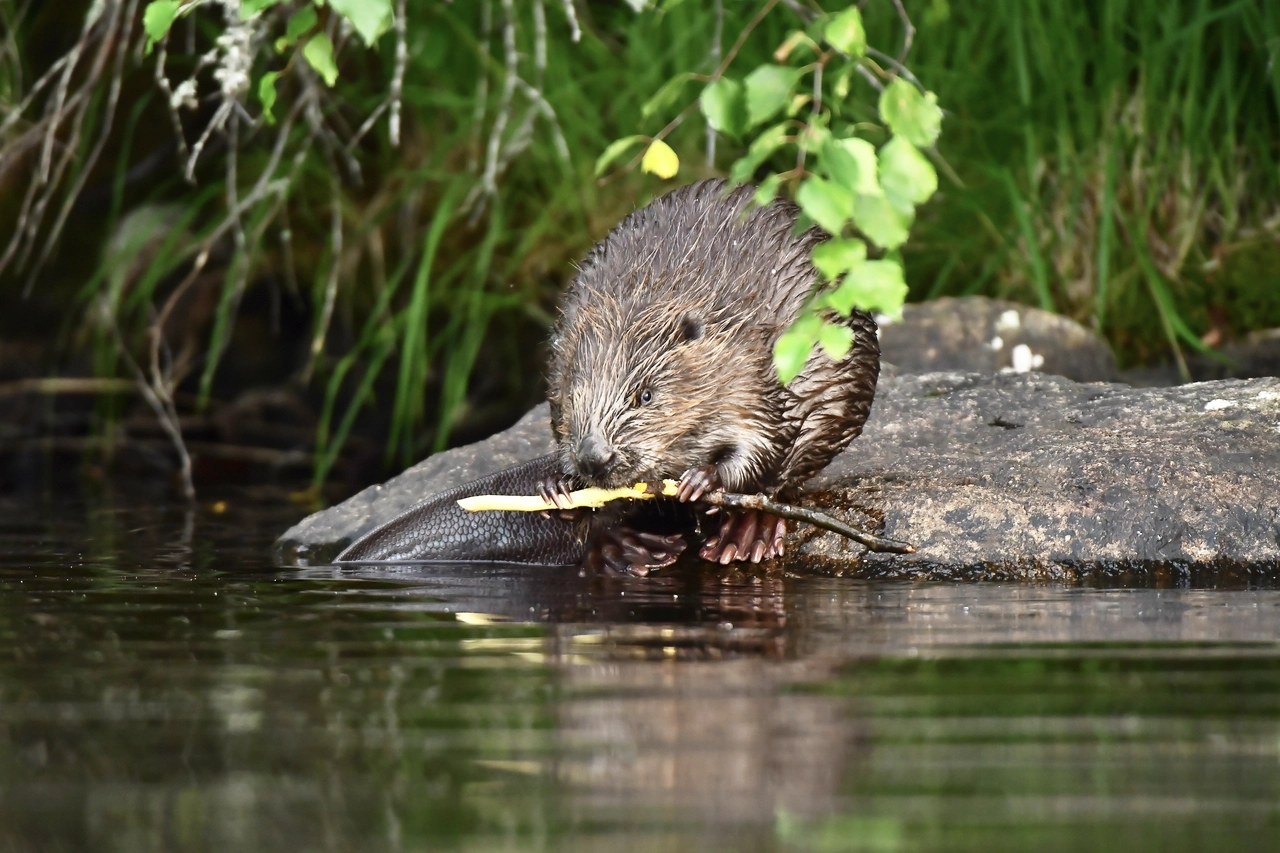
Recent news that drew me to read more about our rivers is the reintroduction of beavers in various locations across the UK. Living in the South West, beavers have long been an elusive species that I know exist near me, but I have never spotted. The Beaver Trust does incredible work in education, campaigning, and reintroduction of this iconic species. I highly recommend reading their website to learn more about the fascinating species. They convey the complexity of the beaver’s damming, foraging, and burrowing habits and the subsequent impacts on the rivers they inhabit.
At present, Eurasian beavers can be found in several locations in the UK living wild or within enclosed projects. These are shown on the map.
In the past year alone, populations of beavers have been reintroduced to sites in the Highlands of Scotland, areas of Wales, Cornwall, and close to my home in Somerset. These projects aim to reinstate beavers as a vital part of biodiverse riverine environments with the potential to regenerate the ecosystems around them.
With careful consideration of reintroduction sites, beavers can shape landscapes in their own way that benefits other life around them. Perhaps most commonly associated with beavers, they are known to build dams. Whilst localised flooding and changes to water flow are risks to be monitored in select locations, the practice of damming has multiple benefits for the ecosystem. A new habitat for plant and invertebrate species in the wetland behind the dam is created, in turn providing foraging and shelter opportunities for bats, mammals, amphibians, and birds. Collecting and releasing water slowly through leaky structures also makes rivers more resilient to drought by increasing base flow in drier periods. This also reduces the risk of flooding downstream during high flows.

Making Space for Water
In combination with impactful species like beavers, the ‘Making space for water’ campaign highlights the benefits of buffer zones in riparian environments. The campaign calls for landowners and farmers to enrich river corridors by allocating portions of land alongside the waterway to re-establish natural vegetation. This breathing room alongside rivers is a rapidly declining habitat due to encroaching land use change. Buffer zones enhance biodiversity, improve water quality by filtering sediment and pollutants, protect banks from erosion, and reduce flood peaks by slowing runoff. The Beaver Trust has produced an insightful 20-minute documentary explaining the many benefits of buffer zones and the logistics of putting them into place across different landscapes in the UK.
Concluding thoughts
Rivers are all around us in the UK, and provide spaces for leisure, mindfulness, and retreat. Their treatment in the UK is severely inadequate and deserves immediate attention. The making space for water campaign is doing incredible work to try to preserve these habitats for humans as well as all the many species that rely on them. Looking at the case study of beaver reintroduction provides an interesting ‘jumping-in point’ to read more about the ecosystem but tells just one part of a very long and ongoing story.
So, I urge you to appreciate your nearest river and consider the many challenges it faces. Whilst the charismatic beaver may not reside in your closest waterway, there are many fascinating plants and animals that do. Understanding some of the threats rivers face is the first step in supporting their survival. Following along with campaigns and getting involved in local river projects is another step to take in helping them.
Ultimately, the health of our rivers is a microcosm for the health of our relationship with the world. Continuing to confine, redirect, pollute, and neglect them reveals troubling truths about some people’s priorities. By pushing to make space for water and for life, we make space for a more resilient and hopeful future.

Leave a Reply