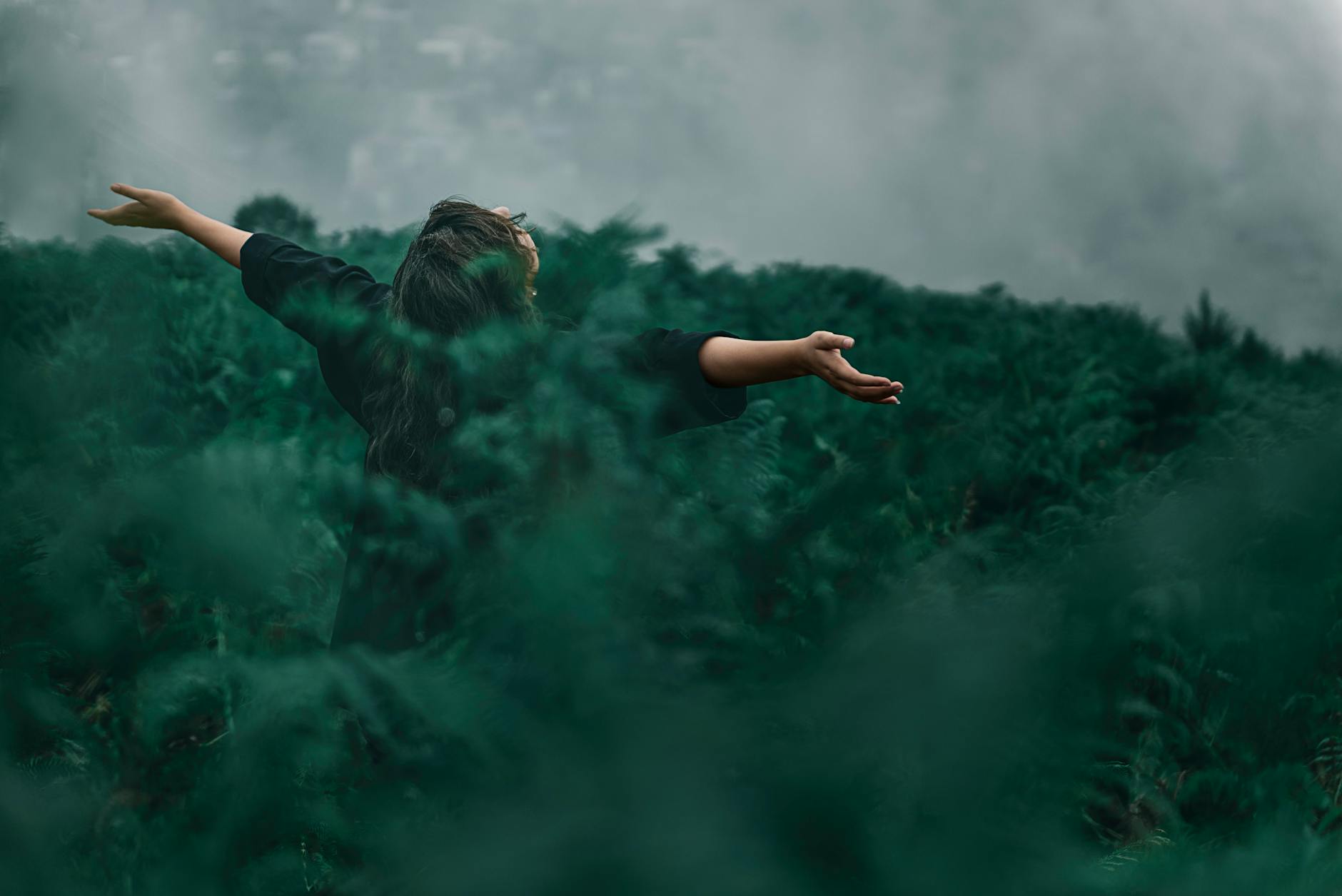
“The Earth does not belong to us; we belong to the Earth.” — Chief Seattle
As humans have built upon and endlessly shaped the earth, many societies have subconsciously or consciously written themselves out of nature. In doing so, a distance between humans and nature has become increasingly distinct. Historically this has created control and ownership mindsets that enable the exploitation of the earth, extracting so-called ‘natural resources’ and taking from paradoxical ‘pristine wildernesses’. This is to say that all environments on this planet have in some way been altered by past and present human populations directly or indirectly. Can there be such a thing as a pristine wilderness anymore? The impacts of reinforcing this harsh separation are detrimental and wide-ranging.
This article provides an opinion piece on definitions of nature and the implications of not feeling a part of it. It will explore the human vs. nature rhetoric and the semantics within the debate. I hope you will be encouraged to consider your own relationship with the world around us and realise the benefits of strengthening that relationship. Reframing humans as a part of nature is helpful in re-prioritising responsibility and care towards the planet.
From ownership to belonging

It is important to note that this blog will mostly talk about the extremes of human-nature relationships; these are exercising ownership over it or feeling true belonging. In reality, there is a vast spectrum of relationships with the environment on an ownership-belonging sliding scale. Different cultural histories, philosophies, economic systems, and political powers inform populations’ understandings of nature but no one is confined to the beliefs projected around them.
For example, while the most common information and legal attitudes I encounter living in the UK describe capitalist systems that give no power to nature, I find other communities’ understandings of nature fascinating and inspiring. Chief Seattle, quoted above, represents the Duwamish and Suquamish peoples of the Pacific Northwest. In their philosophy, being a part of the world around them is how it has always been. It is not a radical anti-capitalist position taken to rebel against other evolving systems. It is simply what makes sense and provides a basis for a contented and joyous relationship with the earth.
Nature cannot belong to us if we belong to it. We know through the increased conversation and impacts of climate change that hurting the environment hurts us. Perhaps it is not so much of a reach to imagine that we are a part of that environment. A shift in mindset is powerful at both individual and collective scales. Moving away from discussing the environment with terms such as ‘natural capital’ and ‘resources’ supports a worldview in which humans are seen as functioning aspects of ecosystems, ultimately implying interdependence and relational thinking. This belonging model of nature confronts us more directly with the consequences of environmental harm. This is surely a positive move to inspire urgency and action in the realms of the climate crisis.
Does wording matter?
What changes if we choose to belong? Restoring our collective relationship with the earth is an immense task that requires input on many scales. It is my opinion, however, that the daunting nature of the challenge shouldn’t diminish action in the smaller ways. Whilst debating wording may be lower down on some people’s priority list, redefining nature is a powerful step in bettering this relationship. The campaign group ‘We are Nature’ have made this small part of the immense task their mission. The Oxford English Dictionary defines nature as “The phenomena of the physical world collectively […] as distinguished from humans and human creations.” Pitting humans as altogether separate from nature helps justify actions against it. ‘We are nature’ are campaigning to bring the terms together to re-establish nature’s legal rights and encourage corporations to give nature a seat at the boardroom table. Language shapes perception and perception shapes behaviour. A cultural shift in human-nature relationships at any scale will strengthen a shared sense of responsibility rather than control.
It’s always worth bettering our relationship with nature
Choosing to belong to nature rather than imagining or exercising ownership over it is radical resistance to the current Western world’s way of doing things. Whilst it might feel small, choosing to belong to nature puts you on the team of people wanting and striving to make a difference. Simply engaging with this blog suggests that you are team nature. Dispelling the illusion of our separation from nature will also make us happier. There have been numerous studies on the relationship between nature connectedness and mental wellbeing. So if you gain anything from this article, go into nature and feel a part of it! Nature is not just land to be claimed or built on, it is an intricate web of life and exciting stories to discover and enjoy.

Through beginning this blog project, I have spent time actively looking at my own relationship with the natural world. I recognise my shortfalls within some areas of my life, such as not always consuming the most ethically sourced foods or consistently buying local, but I have also come to appreciate the areas in which I am succeeding. I respect the world around me. I think that quality is so often overlooked. It can feel overwhelming to live an entirely sustainable life (see previous blog for thoughts on this). Therefore, grounding yourself in the parts you feel you are excelling is also important to reduce burnout and feelings of hopelessness. Every time I spend time in nature, free of distraction, I can’t help but feel connected to it. I don’t always feel like I totally belong to it, but I feel I am on the same team as the landscapes and species around me. I care that they go on to thrive and I am invested in doing my small part in helping them. To me, that sense of shared will to thrive is connection to nature. It is one aspect of my way of life that tips me towards the belonging side of the ownership-belonging scale.
I believe that we need to connect to nature as much as nature needs more humans to connect to it. In the most simple and reductive terms, if we view ourselves as part of nature we might be less inclined to destroy it. The way we talk about nature reflects how we relate to it and so by shifting language from ownership to belonging, we step towards a transformation in how humans care for the earth. In the spirit of platforming this way of thinking and to quote a legend in our household:
“We don’t own the planet earth; we belong to it. We must share it with our wildlife” ~ Steve Irwin
I invite you to take a moment today to reflect on and evaluate your relationship with nature. Wherever you find yourself on the ownership – belonging scale, may this break in your day bring you closer to a sense of belonging to the landscapes and ecosystems that you are already a part of.
Leave a Reply